DHC

Revelador fotográfico for Spore Entanglement:

David Hancong Ding, BSLA, CALS, 12/03/2025
Supervisor: Duarte Santo

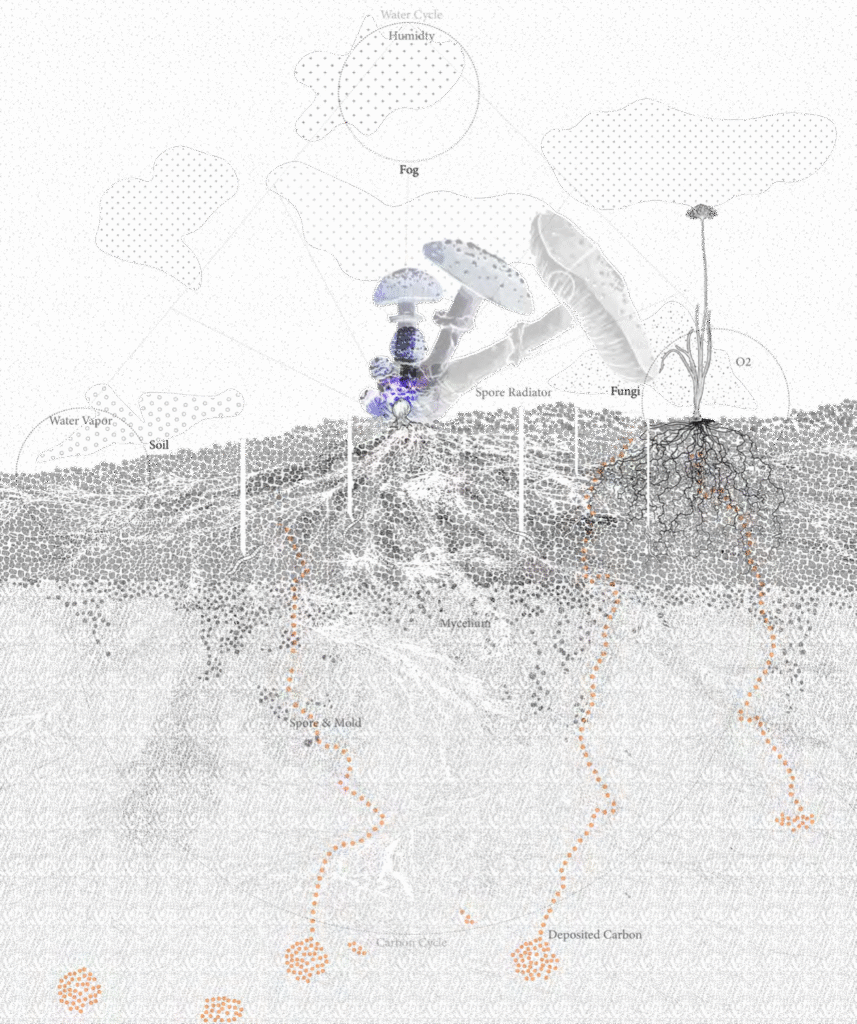
This thesis investigates how AI can model
fog-mediated fungal metabolism as a form of soil
intelligence to guide remediation strategies for
toxic post-industrial landscapes

Overview:
Mycelium remediation as soil infrastructure. Substrate formulations, species selection, remediation columns that capture contaminants while supporting plant communities. Scalable system for polluted urban post-industrial sites.

My Responsibilities:
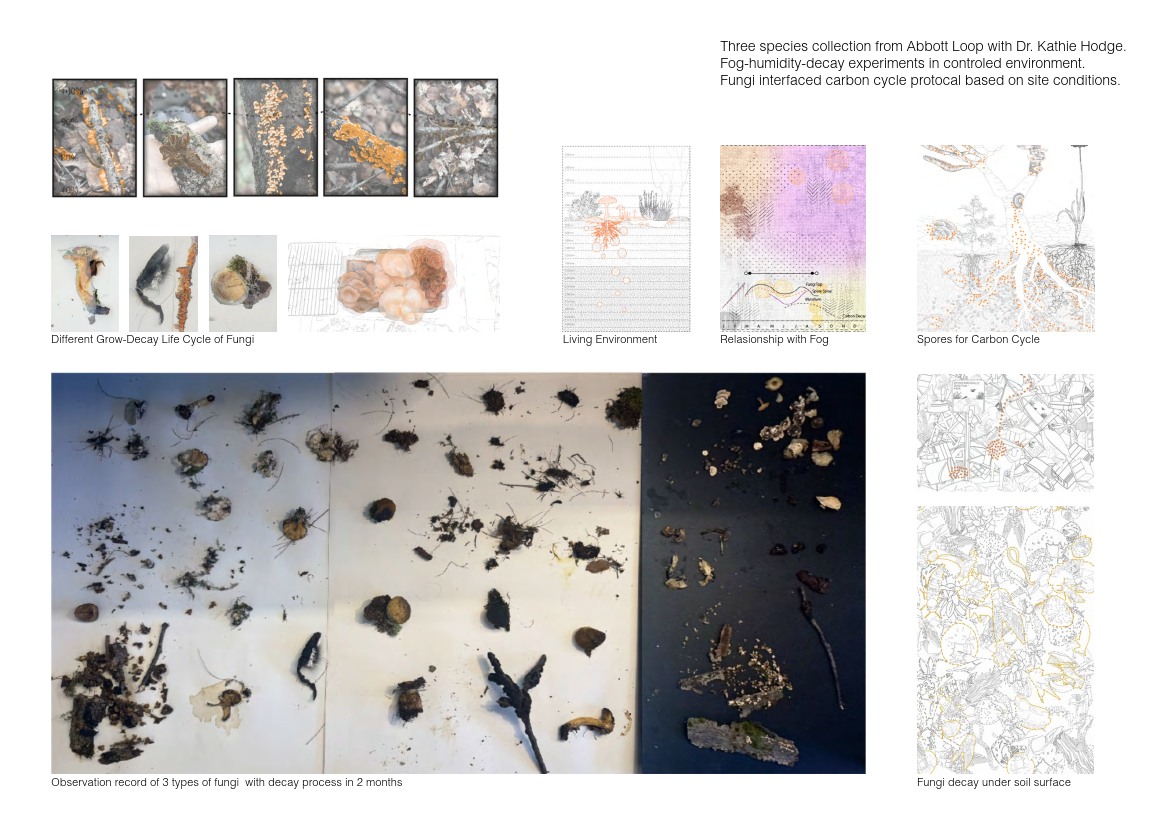
Concept development, species selection and substrate testing, prototype fabrication, growth timeline studies, my-celium frame design, microscopy environmental analysis.
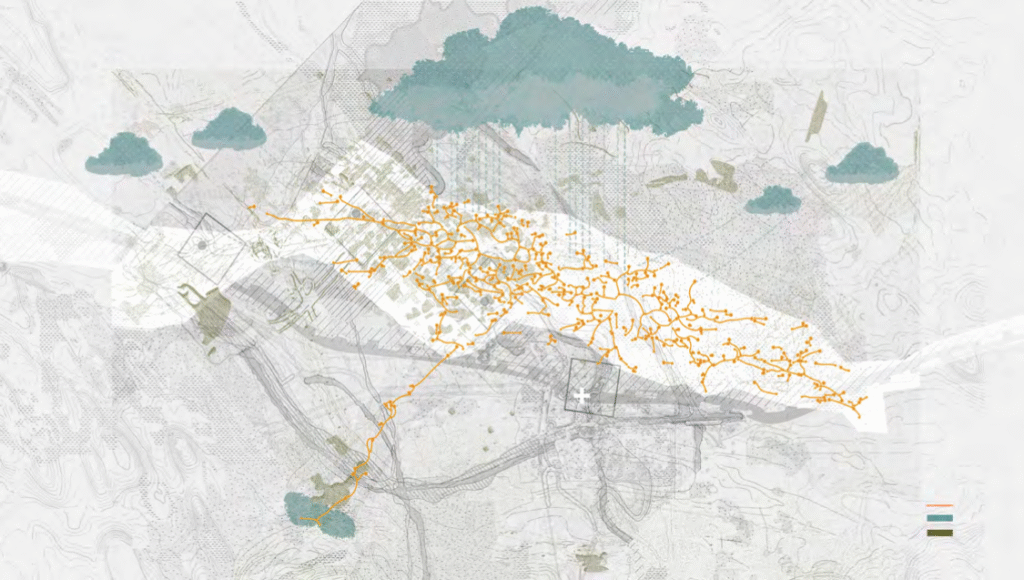
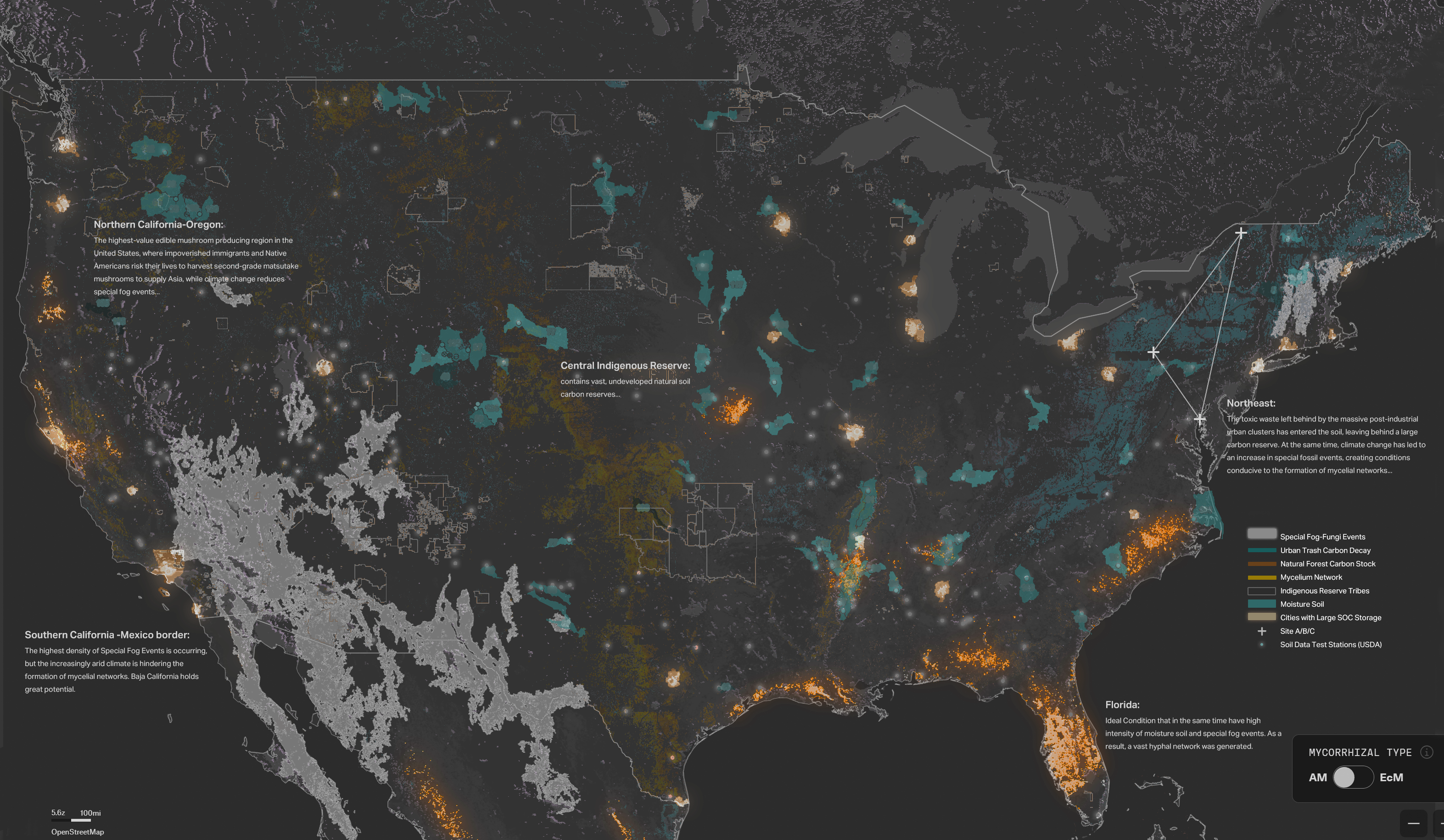
Mycelium Network Priorities: Special Fog Moment + Spore + Urban Soil Carbon Stock

Mycelium Network Priorities: Special Fog Moment + Spore + Urban Soil Carbon Stock

Analysis reveals unexpected patterns.NE holds potential. Regional variations inform adaptive remediation strategies and use for set prototypes.

Acedemic Support:
8. Trinity Cyber/Systems Theory and Design Methods: Krippen-dorff (2019), Gerovitch (2024), Odum (1971, Ch. 1–2).
9. Invisible Ecologies at Anthropocene-Capitalocene-Chthulu-cene: Yusoff (2018), Haraway (2016), Tsing (2015, Intro). 10.Fungal Synthetic Ecology and Material Ecology: Dade-Rob-ertson & Zhang (2024), Ginsberg et al. (2014).

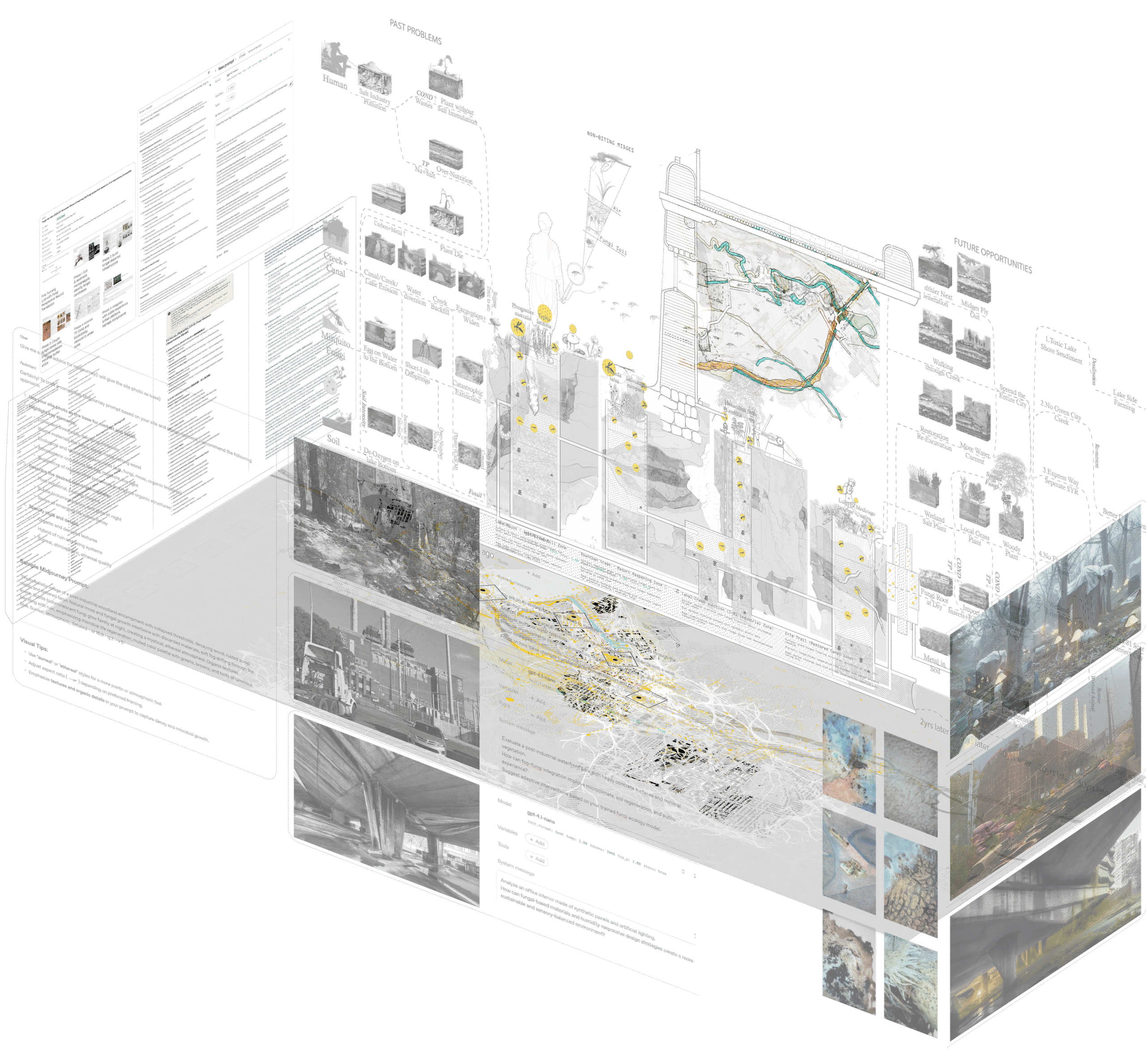
3 LLM feedback base fungi perspective OpenAPI adjustment for sites

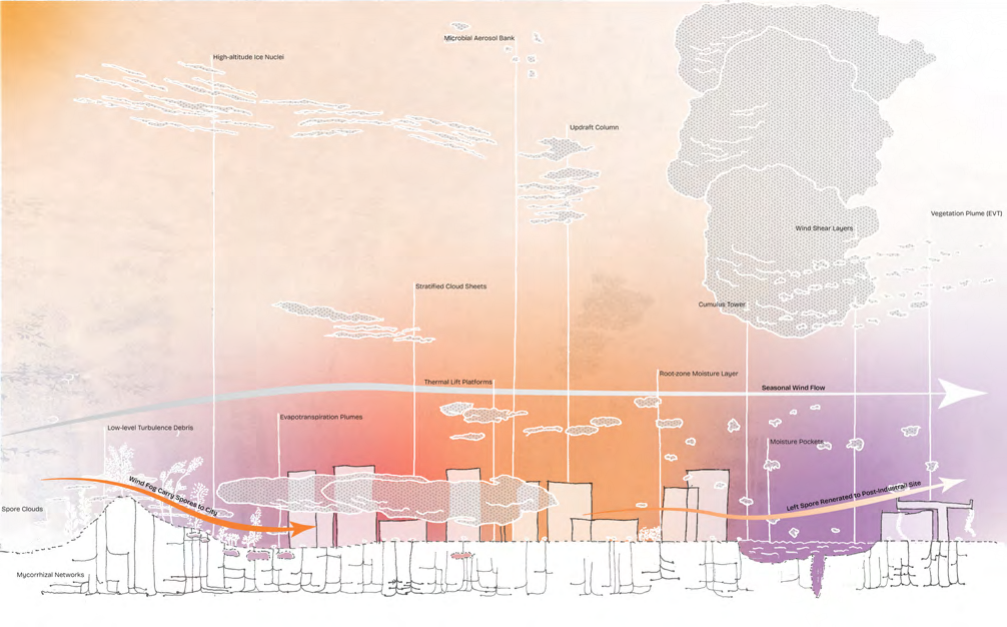
Fog Vapor → Forest → City → Post-industrial → Back to Water Life

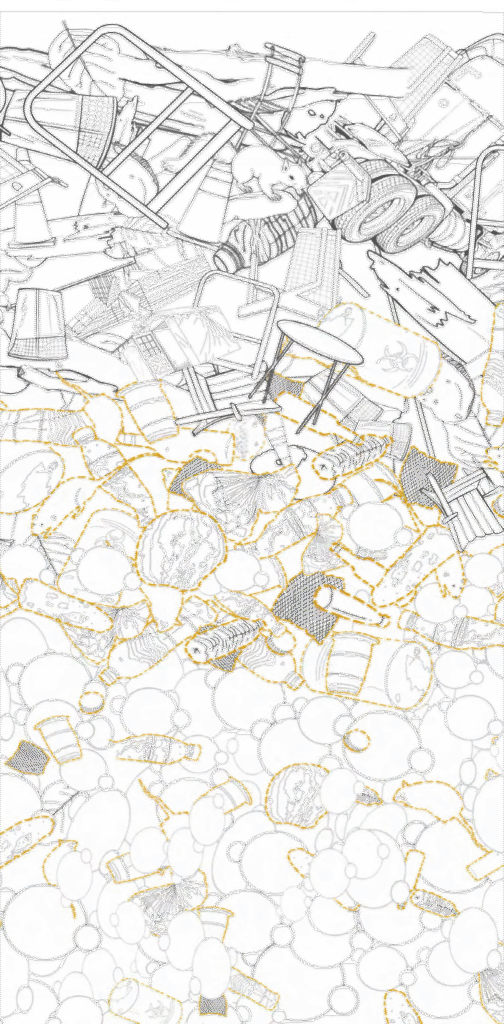
The Most Artifacial Trash can't be Carbonized

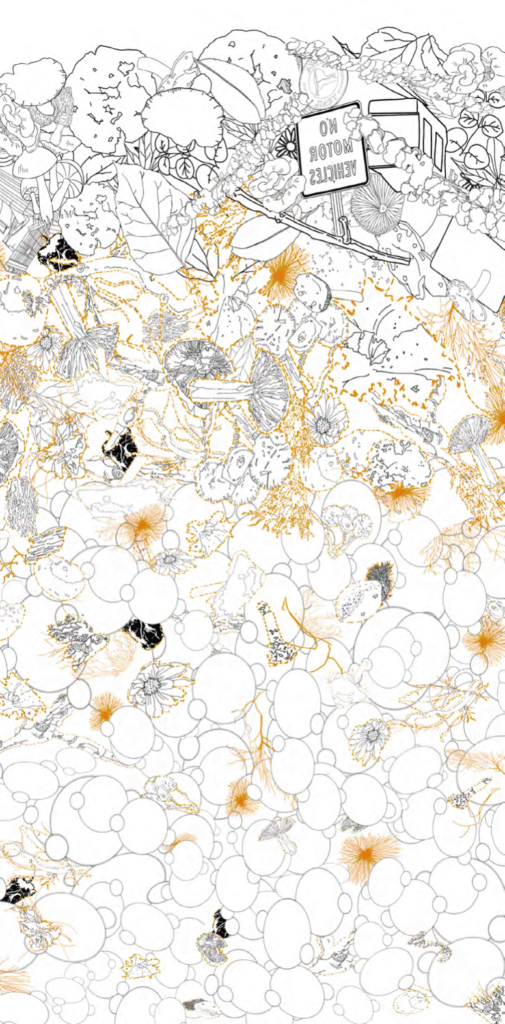
The Most Trash are be Carbonized since Fungi